Create Extra Living Space With A Professional Interior Designer
Many homeowners eventually find themselves needing more living space. Whether due to growing families, changing lifestyles, or the desire for a more comfortable environment, maximizing available space becomes an important goal. However, expanding or reorganizing a home can be challenging without the right design knowledge. This is where professional interior designers can play a valuable role.
Interior designers specialize in transforming existing spaces to make them more functional, efficient, and visually appealing. Instead of simply adding furniture or making minor changes, they analyze how rooms are used and identify opportunities to improve layout, storage, and overall flow within the home. Their expertise helps homeowners discover hidden potential in spaces that may otherwise feel cramped or underutilized.
By applying thoughtful design strategies, interior designers can help create additional living space without the need for major structural renovations, making homes more practical and enjoyable for everyday living.
Understanding the Role of an Interior Designer
Interior designers do much more than choose colors or furniture. Their primary responsibility is to improve how a space functions while maintaining a cohesive visual design. This involves understanding the homeowner’s needs, lifestyle, and preferences before developing a plan that maximizes the available area.
Designers often begin by analyzing how each room is currently used. They look for inefficient layouts, unused corners, or overcrowded areas that limit the functionality of the space. By reorganizing furniture placement or redesigning storage solutions, they can create more usable room without changing the structure of the home.
Homeowners researching professional interior design space planning often find that interior designers use a combination of creativity and technical knowledge to optimize space. This includes evaluating lighting, movement flow, and furniture scale to ensure each area serves a practical purpose.
Through careful planning and thoughtful design adjustments, interior designers help homeowners unlock the full potential of their living spaces.
Maximizing Small or Underused Areas
Many homes contain areas that are not used efficiently. Corners, hallways, or small alcoves often become storage spaces for miscellaneous items rather than serving a meaningful purpose. Interior designers can transform these overlooked areas into functional parts of the home.
For example, a narrow hallway might be redesigned to include built-in shelves or a compact workspace. A small unused corner could become a reading nook or mini office. Even spaces under staircases can be converted into storage units or cozy seating areas.
Designers focus on making every square meter of the home count. They evaluate the proportions of each room and suggest furniture or layouts that make the area feel more open and organized.
By turning unused areas into functional spaces, interior designers help homeowners gain additional living space without needing to expand the property itself.
Improving Storage Solutions
One of the most effective ways to create extra living space is by improving storage organization. Cluttered rooms often feel smaller because items occupy valuable floor and wall space.
Professional interior designers frequently recommend custom storage solutions that blend seamlessly with the overall design of the home. Built-in cabinets, hidden storage compartments, and multifunctional furniture can help reduce clutter while maintaining a clean appearance.
For instance, storage beds, wall-mounted shelving, and concealed cabinets allow homeowners to store belongings efficiently without sacrificing style. These solutions keep essential items accessible while preventing rooms from feeling overcrowded.
Effective storage design not only frees up physical space but also improves the visual openness of the room. This makes living areas feel larger and more comfortable for everyday use.
Well-planned storage systems are key components of successful interior design strategies.
Enhancing Light and Visual Space
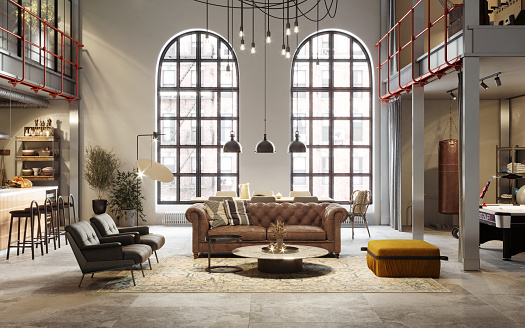
Lighting and visual design also play an important role in making spaces feel larger. Interior designers often use lighting techniques, color schemes, and reflective surfaces to create the illusion of more space.
Natural light can make a room appear brighter and more open. Designers may recommend adjusting window treatments, adding mirrors, or rearranging furniture to allow light to flow more freely throughout the room.
Light-colored walls and minimalistic décor can also help create a sense of openness. In smaller spaces, designers often avoid heavy furniture or dark color palettes that may make rooms feel more confined.
Strategic lighting—such as layered lighting with ceiling lights, wall lamps, and accent lighting—can further enhance the sense of space.
These design techniques help transform small or crowded rooms into welcoming environments that feel significantly larger.
Creating Flexible Multi-Purpose Rooms
Modern homes often benefit from flexible spaces that serve multiple purposes. Interior designers frequently design rooms that can adapt to different activities throughout the day.
For example, a guest room might also function as a home office with the addition of foldable furniture or convertible desks. Living rooms can incorporate hidden workspaces or modular seating that adjusts depending on the occasion.
This flexible approach allows homeowners to make better use of their available space. Instead of dedicating entire rooms to a single purpose, multifunctional designs create dynamic living environments that evolve with the household’s needs.
These solutions are part of broader home interior space optimization solutions that focus on efficiency and adaptability within residential design.
Flexible room designs ensure that homes remain functional and comfortable even as lifestyles change.
Conclusion
Hiring a professional interior designer can make a significant difference when homeowners want to create additional living space within their homes. By analyzing how rooms are used and identifying opportunities for improvement, designers can transform existing layouts into more functional and efficient environments. Through strategic planning, better storage solutions, improved lighting, and multifunctional furniture, interior designers help homeowners maximize every part of their property. These changes not only increase usable space but also improve comfort and visual appeal throughout the home. Instead of relying on costly structural expansions, many homeowners can achieve remarkable results simply by reorganizing and redesigning their existing spaces. With professional guidance, even small or underused areas can be transformed into practical and attractive living spaces that support modern lifestyles.