How Much Are Stairlifts To Install In Homes?
Stairlifts have become an increasingly popular home improvement solution for individuals who want to maintain independence while living in multi-level homes. For people with mobility challenges, stairs can present daily difficulties and safety concerns. Installing a stairlift provides a practical way to move between floors comfortably without needing to relocate or undertake major structural renovations.
Homeowners considering this option often ask the same question: how much does a stairlift cost to install? The answer can vary depending on several factors, including the design of the staircase, the type of stairlift selected, and any additional customization required. Straight staircases typically require simpler installations, while curved staircases may involve more complex engineering and higher costs.
Understanding the key elements that influence stairlift pricing can help homeowners make informed decisions before beginning the installation process. With the right information, it becomes easier to evaluate options and determine which stairlift solutions best match both mobility needs and household budgets.
Understanding the Average Cost of Stairlift Installation
The cost of installing a stairlift can vary widely depending on the type of staircase and the equipment chosen. In general, stairlifts for straight staircases tend to be more affordable because they require simpler rails and less customization. Many homeowners find that straight stairlift installations fall within a moderate price range compared to more specialized options.
Curved staircases, on the other hand, require custom-designed rails that follow the exact shape of the staircase. Because each curved rail must be manufactured to fit a specific home layout, installation costs can increase significantly. These systems often involve detailed measurements, engineering adjustments, and longer production timelines before installation can begin.
When evaluating residential stairlift installation costs, homeowners should also consider the cost of professional installation services. Skilled technicians typically handle the entire process, from measuring the staircase to mounting the rail and testing the lift system. Professional installation ensures the stairlift operates safely and meets necessary safety standards.
Additional factors such as electrical adjustments, wall reinforcements, or extended rail lengths can also influence the final price. For this reason, most stairlift companies provide in-home consultations to assess the staircase and provide a personalized estimate.
Types of Stairlifts Available for Home Installation
There are several different types of stairlifts designed to suit various staircase layouts and household needs. Each type comes with its own features and installation requirements, which can affect the overall cost.
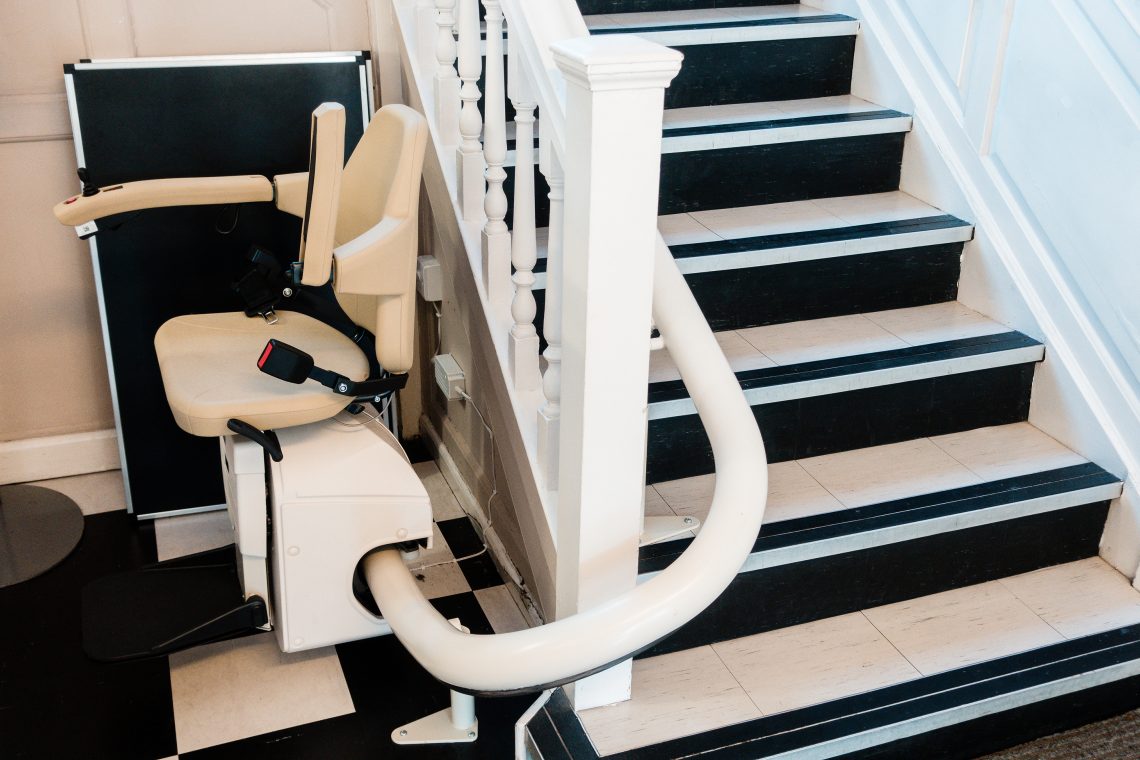
Straight stairlifts are the most common option and are designed for staircases that run in a single direction without turns or landings. Because these systems use standardized rails, they are typically easier to install and often available more quickly than custom-built alternatives.
Curved stairlifts are designed for staircases that include turns, intermediate landings, or spiral shapes. These systems require custom rails that precisely follow the staircase design. While curved stairlifts are more expensive, they provide a seamless mobility solution for homes with complex stair layouts.
Another option is the outdoor stairlift, which is specifically built to withstand weather conditions. These systems are often installed on exterior staircases leading to porches, gardens, or entryways. Outdoor stairlifts include protective coverings and durable materials to ensure long-term performance in varying climates.
Choosing the right stairlift type depends on both the structure of the staircase and the specific mobility needs of the household.
Factors That Influence Stairlift Installation Prices
Several factors can influence the total cost of installing a stairlift in a home. One of the most significant elements is the staircase configuration. Straight staircases generally require fewer components and less customization, while curved staircases require specially manufactured rails.
The length of the staircase also plays an important role in determining cost. Longer staircases require extended rail systems and additional materials, which can increase the overall installation price. Homes with multiple landings or unusual staircase designs may also require additional engineering adjustments.
Another factor involves optional features and upgrades. Many stairlift systems offer adjustable seats, powered swivel functions, folding footrests, and enhanced safety sensors. While these features improve comfort and usability, they may add to the total installation cost.
Installation accessibility can also affect pricing. If the staircase area is narrow or difficult to access, technicians may need additional time and equipment to complete the installation safely. These logistical considerations can influence labor costs during the installation process.
Because each home has unique architectural characteristics, obtaining a customized assessment from a stairlift provider often provides the most accurate estimate.
The Installation Process for Home Stairlifts
Installing a stairlift is generally a straightforward process when handled by experienced professionals. After an initial consultation, technicians take precise measurements of the staircase to ensure the rail system fits properly. These measurements are especially important for curved staircases, where accuracy is essential for smooth operation.
Once the stairlift system is ready, the installation itself typically takes several hours for straight staircases. The rail is mounted directly to the staircase rather than the wall, which helps minimize structural modifications to the home. This approach allows the stairlift to be installed without major renovation work.
Technicians also conduct safety checks after installation. These checks ensure the lift moves smoothly along the rail, stops properly at designated points, and responds correctly to safety sensors. Homeowners are then shown how to operate the lift, including how to fold the seat and use the control system.
Many companies also offer maintenance services to keep stairlifts operating reliably over time. Routine inspections help identify potential issues early and ensure the equipment continues to function safely.
Long-Term Benefits of Installing a Stairlift
Although stairlifts require an initial investment, many homeowners view them as a long-term solution that improves both safety and independence. For individuals who struggle with mobility, a stairlift can dramatically reduce the physical strain of climbing stairs each day.
Installing a stairlift also allows many people to remain in their homes rather than relocating to single-level housing or assisted living facilities. Aging in place has become an important goal for many homeowners who want to maintain familiarity and comfort in their living environment.
Beyond personal convenience, stairlifts can also increase the accessibility of a home for visitors or family members with mobility challenges. This added functionality can make the home more accommodating for a wider range of occupants.
Many homeowners exploring smart home accessibility solutions consider stairlifts an essential step toward creating a more inclusive and supportive living environment. By improving mobility within the home, stairlifts help ensure that daily life remains comfortable, safe, and manageable.
Conclusion
Installing a stairlift can be a valuable investment for homeowners seeking greater mobility, safety, and independence within multi-level homes. While the cost of installation varies depending on staircase design, equipment features, and customization requirements, understanding these factors helps homeowners prepare for the financial aspects of the project. Straight staircases typically involve more affordable installations, while curved staircases may require specialized systems that increase the overall cost. However, both options provide reliable solutions that make navigating stairs significantly easier.
Beyond the installation itself, stairlifts offer long-term benefits that improve everyday living conditions. They allow individuals with mobility limitations to remain comfortably in their homes without major structural renovations or relocation. Professional installation and routine maintenance also ensure that stairlifts continue operating safely and efficiently for years. By carefully evaluating stairlift options and installation requirements, homeowners can choose solutions that enhance both accessibility and quality of life within their living spaces.