The Best Art Museums To Visit In Europe
Europe has long been considered one of the world’s greatest centers of art and culture. The continent is home to countless museums that preserve masterpieces created by some of history’s most influential artists. From classical paintings and sculptures to modern art collections, European museums offer visitors the chance to explore centuries of artistic expression and creativity.
Many of these museums are located in historic cities where art, architecture, and culture come together to create unforgettable experiences for travelers. Visitors can discover works by artists such as Leonardo da Vinci, Michelangelo, Van Gogh, and Picasso while learning about the historical movements that shaped the development of Western art.
For travelers who appreciate culture and creativity, visiting Europe’s most famous art museums is an essential part of any journey. These institutions not only display remarkable collections but also provide valuable insight into the artistic traditions and cultural heritage of the continent.
The Louvre Museum – Paris, France
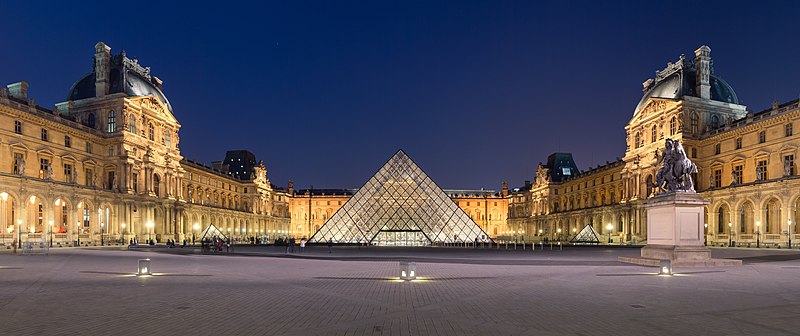
The Louvre Museum in Paris is one of the most famous and largest art museums in the world. Located along the banks of the Seine River, the museum is housed in a historic palace that once served as the residence of French kings.
The Louvre’s collection includes thousands of artworks spanning ancient civilizations to the nineteenth century. Among its most famous pieces is Leonardo da Vinci’s Mona Lisa, which attracts millions of visitors each year.
Travelers exploring best art museums to visit in Europe often begin with the Louvre because of its extraordinary collection and historical significance. The museum also features classical sculptures such as the Venus de Milo and the Winged Victory of Samothrace.
Visitors can spend hours exploring the museum’s galleries, which showcase art from ancient Egypt, Greece, and Rome alongside European masterpieces.
The Louvre remains a symbol of artistic excellence and cultural heritage in Europe.
The Prado Museum – Madrid, Spain
The Prado Museum is Spain’s most important art museum and one of the finest galleries of classical European art. Located in Madrid, the museum is known for its impressive collection of paintings from the Spanish Golden Age.
Visitors can admire works by renowned Spanish artists such as Diego Velázquez, Francisco Goya, and El Greco. Velázquez’s famous painting Las Meninas is one of the museum’s most celebrated masterpieces.
The Prado also houses important works by international artists including Titian, Rubens, and Hieronymus Bosch. One of the most fascinating pieces on display is Bosch’s The Garden of Earthly Delights, a complex and imaginative triptych that continues to inspire art historians.
The museum’s carefully curated galleries allow visitors to explore the development of European painting across several centuries.
For art enthusiasts interested in classical European masterpieces, the Prado offers an exceptional cultural experience.
The Vatican Museums – Vatican City
The Vatican Museums are among the most remarkable art institutions in the world. Located within Vatican City, these museums hold an extensive collection of art accumulated by the Catholic Church over many centuries.
One of the most famous attractions within the Vatican Museums is the Sistine Chapel, where visitors can see Michelangelo’s extraordinary ceiling frescoes and the famous painting The Last Judgment.
The museums also include galleries filled with classical sculptures, Renaissance paintings, and historical artifacts from various civilizations.
Walking through the Vatican Museums feels like traveling through the history of art itself. Each gallery reveals masterpieces created by some of the greatest artists in Western history.
Because of their immense cultural and religious significance, the Vatican Museums attract millions of visitors every year.
The Rijksmuseum – Amsterdam, Netherlands
The Rijksmuseum is one of the Netherlands’ most celebrated cultural institutions. Located in Amsterdam, the museum focuses primarily on Dutch art and history, especially from the seventeenth century.
Its collection includes famous works by Rembrandt, Johannes Vermeer, and Frans Hals. Rembrandt’s The Night Watch is the museum’s most famous painting and a major highlight for visitors.
The Rijksmuseum also features decorative arts, historical artifacts, and exhibitions that explore the Dutch Golden Age. The museum’s architecture and gardens add to its charm, making it one of Amsterdam’s most visited attractions.
Visitors interested in Dutch history and artistic achievements will find the Rijksmuseum particularly fascinating.
This museum showcases how art can reflect national identity and cultural development.
The Uffizi Gallery – Florence, Italy
Florence is often considered the birthplace of the Renaissance, and the Uffizi Gallery is one of the best places to experience this artistic movement. Located in a historic building overlooking the Arno River, the gallery contains one of the most significant Renaissance art collections in the world.
Visitors can see works by legendary artists such as Botticelli, Leonardo da Vinci, Raphael, and Michelangelo. Botticelli’s The Birth of Venus and Primavera are among the most famous paintings displayed in the museum.
The Uffizi Gallery offers a comprehensive look at the development of Renaissance art and the cultural achievements of Florence during that period.
These famous institutions represent some of the most remarkable European cultural heritage and art travel experiences available to visitors exploring the continent.
Art lovers visiting Florence often consider the Uffizi Gallery an essential destination.
Conclusion
Europe’s art museums offer travelers extraordinary opportunities to explore the history of artistic expression across centuries and cultures. Institutions such as the Louvre, the Prado Museum, the Vatican Museums, the Rijksmuseum, and the Uffizi Gallery house some of the world’s most important masterpieces, providing visitors with unforgettable cultural experiences. Each museum reflects the artistic traditions and historical influences of its country while contributing to Europe’s reputation as a global center of art and culture. From Renaissance masterpieces to classical sculptures and modern exhibitions, these museums reveal how art has evolved through time while preserving humanity’s creative achievements. For travelers passionate about history, creativity, and culture, visiting Europe’s most renowned art museums is an inspiring journey through the artistic legacy of the world.