The Best Beach Destinations In Spain
Spain is widely known for its rich culture, historic cities, and vibrant cuisine, but its coastline is equally impressive. With thousands of kilometers of shoreline along the Mediterranean Sea and the Atlantic Ocean, Spain offers some of the most beautiful beaches in Europe. From lively resort towns to quiet coastal villages, the country provides a wide range of seaside destinations for travelers seeking relaxation, adventure, or scenic views.
Spanish beaches are famous for their golden sand, clear blue waters, and warm climate, making them ideal for sunbathing, swimming, and water sports. Many coastal areas also offer charming promenades, fresh seafood restaurants, and cultural landmarks that add to the travel experience.
Whether travelers are looking for energetic beach towns or peaceful natural landscapes, Spain’s coastline has something for everyone. Exploring the best beach destinations in Spain allows visitors to experience the country’s diverse coastal beauty and enjoy unforgettable seaside adventures.
Costa del Sol: A Classic Mediterranean Destination
Costa del Sol, located in the southern region of Spain, is one of the country’s most famous beach destinations. Stretching along the Mediterranean coast in the province of Málaga, this area is known for its sunny weather, lively beach resorts, and vibrant nightlife.
Popular towns such as Marbella and Torremolinos attract travelers from around the world. Visitors enjoy wide sandy beaches, beachside restaurants, and numerous recreational activities including sailing, jet skiing, and parasailing.
Travelers researching Spain beach travel destinations and coastal resorts often include Costa del Sol on their itineraries because of its well-developed tourist infrastructure and beautiful coastal scenery. The region offers a mix of luxury resorts, family-friendly beaches, and cultural attractions such as historic old towns and local markets.
Beyond the beaches, Costa del Sol also offers access to nearby mountains and traditional Andalusian villages, making it a versatile destination for travelers seeking both relaxation and exploration.
Costa Brava: Dramatic Cliffs and Hidden Coves
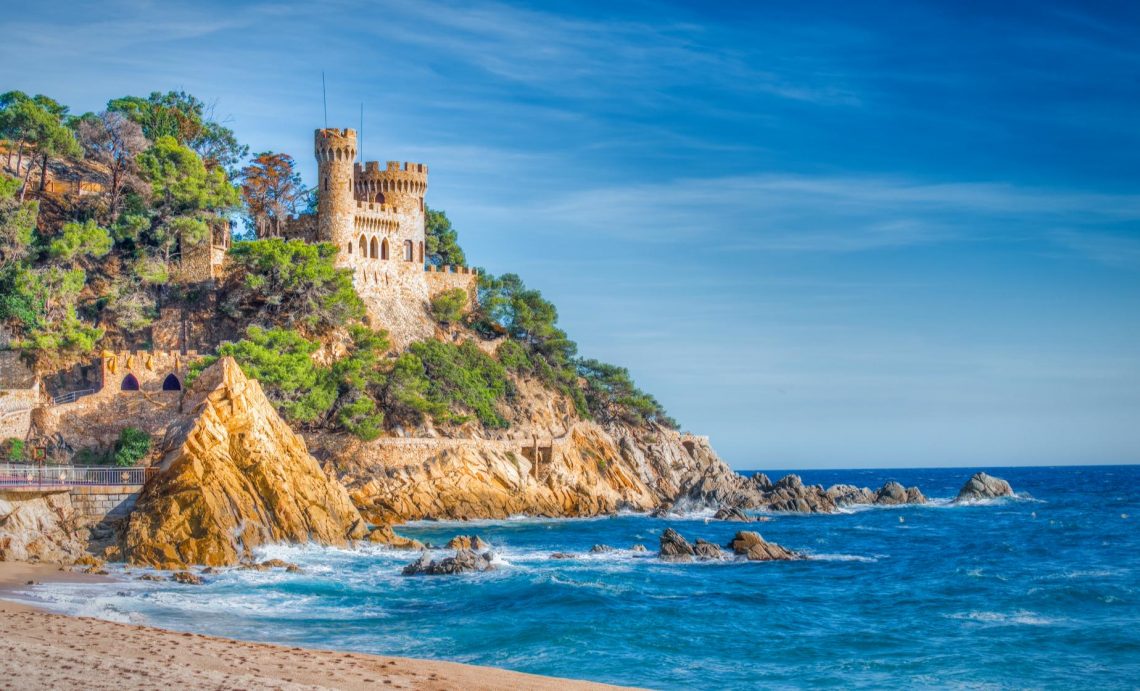
Located in northeastern Spain near the French border, Costa Brava is known for its rugged coastline, dramatic cliffs, and picturesque coves. Unlike some larger resort areas, Costa Brava offers a more natural and scenic beach experience.
Many of the beaches here are surrounded by rocky cliffs and pine forests, creating stunning landscapes that appeal to photographers and nature lovers. Small fishing villages such as Cadaqués and Calella de Palafrugell provide charming coastal atmospheres with whitewashed buildings and narrow streets.
The beaches in Costa Brava are often smaller but extremely beautiful, with crystal-clear waters ideal for swimming and snorkeling. Some secluded coves can only be reached by hiking trails or small boats, adding to the sense of adventure.
Visitors who prefer quieter and more scenic beaches often find Costa Brava to be one of Spain’s most enchanting coastal regions.
Balearic Islands: Tropical-Style Beaches
The Balearic Islands, located in the Mediterranean Sea east of mainland Spain, are home to some of the country’s most famous beaches. The islands of Mallorca, Ibiza, and Menorca each offer unique coastal experiences for travelers.
Mallorca features a wide range of beaches, from large sandy stretches to hidden coves surrounded by cliffs. Playa de Muro and Cala Mondragó are among the island’s most popular seaside destinations.
Ibiza is known for its vibrant nightlife, but it also offers beautiful beaches with clear turquoise waters. Cala Comte and Cala d’Hort provide breathtaking views and relaxing environments away from the busy party scene.
Menorca, the quieter of the Balearic Islands, is famous for its unspoiled beaches and natural landscapes. Many of its coves are protected nature areas that preserve the island’s pristine beauty.
These islands offer travelers a combination of relaxation, culture, and scenic coastal views.
Canary Islands: Volcanic Beaches and Year-Round Sunshine
The Canary Islands, located in the Atlantic Ocean off the northwest coast of Africa, are another remarkable beach destination within Spain. These islands enjoy warm weather throughout the year, making them popular among travelers seeking winter sunshine.
Unlike the Mediterranean coast, many beaches in the Canary Islands feature volcanic sand, creating unique black or dark-colored shorelines. Beaches such as Playa de las Teresitas in Tenerife and Papagayo Beach in Lanzarote offer dramatic coastal scenery.
The Canary Islands are also known for excellent water sports opportunities. Surfing, windsurfing, and scuba diving are popular activities due to the islands’ strong ocean currents and clear waters.
Visitors can also explore volcanic landscapes, national parks, and scenic hiking trails across the islands.
This combination of beaches and natural attractions makes the Canary Islands one of Spain’s most distinctive travel destinations.
Costa de la Luz: Untouched Atlantic Beaches
Costa de la Luz, located along Spain’s Atlantic coast in the Andalusia region, offers a different beach experience compared to the Mediterranean coastline. This area is known for its wide sandy beaches, strong ocean winds, and stunning sunsets.
The region remains less crowded than many other coastal destinations, making it appealing for travelers who prefer quieter beach environments. Towns such as Tarifa and Cádiz offer beautiful beaches alongside historic architecture and cultural attractions.
Costa de la Luz is especially popular among surfers and windsurfers due to its Atlantic winds and waves. The natural beauty of the coastline also attracts nature lovers and photographers.
These coastal areas are often included in discussions about Mediterranean and European coastal travel experiences, as Spain’s diverse shoreline provides a wide variety of landscapes and beach environments.
Costa de la Luz offers a peaceful and scenic alternative to Spain’s more commercialized beach resorts.
Conclusion
Spain’s coastline offers an incredible variety of beach destinations that appeal to travelers with different interests and preferences. From the lively resorts of Costa del Sol to the dramatic cliffs of Costa Brava and the tropical-style beaches of the Balearic Islands, each region provides its own unique coastal charm. The Canary Islands add volcanic landscapes and year-round sunshine, while Costa de la Luz offers quieter Atlantic beaches with stunning natural beauty. These diverse coastal areas allow visitors to experience not only beautiful shorelines but also local culture, cuisine, and outdoor activities. Whether travelers seek relaxation, water sports, or scenic exploration, Spain’s beaches provide unforgettable travel opportunities. Exploring these destinations allows visitors to appreciate the country’s rich coastal diversity and enjoy some of Europe’s most beautiful seaside environments.