Why Should You Invest In Commodities
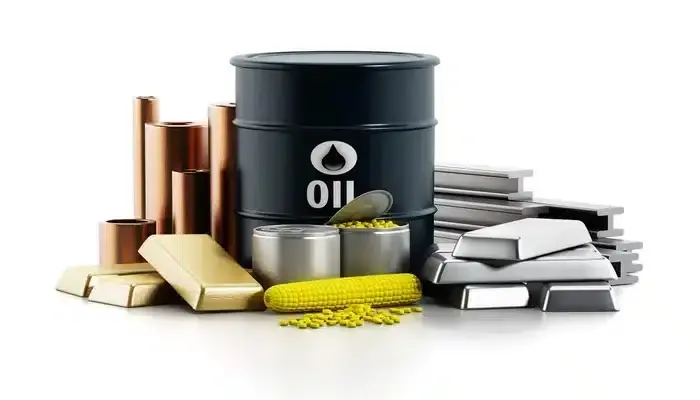
Investing is an essential strategy for building wealth and protecting financial stability over time. While many investors focus on stocks, bonds, or real estate, commodities represent another important asset class that can offer unique opportunities. Commodities include natural resources such as gold, oil, agricultural products, and metals that are traded globally and play a significant role in the world economy.
Because commodities are physical goods with intrinsic value, they often behave differently from traditional financial assets. Their prices can rise during periods of inflation or economic uncertainty, making them attractive to investors seeking diversification and risk management.
Understanding why investors include commodities in their portfolios can help individuals make more informed financial decisions. By exploring the advantages of commodity investments and how they function within global markets, investors can better determine whether this asset class aligns with their long-term financial goals.
Understanding What Commodities Are
Commodities are raw materials or primary agricultural products that can be bought and sold in financial markets. Common examples include gold, silver, crude oil, wheat, coffee, and natural gas. These resources are essential to global production and consumption.
Investors interested in commodity investment strategies for financial diversification often choose commodities because they represent tangible assets rather than financial instruments alone. Unlike stocks that represent company ownership, commodities derive their value from supply and demand in global markets.
Commodity trading typically occurs through futures contracts, exchange-traded funds (ETFs), or specialized commodity investment platforms. These financial tools allow investors to gain exposure to commodity prices without directly purchasing or storing the physical goods.
Understanding the nature of commodities helps investors recognize their role in global economic activity.
Diversifying an Investment Portfolio
One of the primary reasons investors choose commodities is portfolio diversification. Diversification means spreading investments across different asset classes to reduce overall financial risk.
Because commodity prices often move differently from stocks and bonds, adding commodities to an investment portfolio can help balance potential losses during market volatility.
For example, when stock markets decline during economic uncertainty, commodities such as gold sometimes increase in value as investors seek safer assets.
This difference in price movement allows commodities to act as a stabilizing component within a broader investment strategy.
Investors who diversify across multiple asset classes may improve their chances of maintaining long-term financial stability.
Diversification remains one of the most widely recommended principles in financial planning.
Protection Against Inflation
Inflation occurs when the overall prices of goods and services increase over time, reducing the purchasing power of money. During inflationary periods, certain assets may lose value in real terms.
Commodities, however, often perform differently during inflation. Because they represent physical goods that are essential to economic activity, their prices tend to rise when production and transportation costs increase.
For example, rising fuel prices or increased demand for agricultural products can drive commodity prices higher during inflationary periods.
Investors sometimes turn to commodities as a hedge against inflation because the value of these resources may increase when the cost of living rises.
This characteristic makes commodities a useful addition to portfolios designed to protect long-term purchasing power.
Exposure to Global Economic Trends
Commodity markets are strongly influenced by global economic activity. Changes in industrial production, population growth, and energy consumption can significantly affect demand for natural resources.
For example, rapid industrial development in emerging economies can increase demand for metals such as copper and steel. Similarly, global energy consumption affects the price of oil and natural gas.
Investors who follow commodity markets gain insight into large-scale economic trends that shape global trade and production.
By understanding these trends, investors can make strategic decisions about when to enter or exit commodity investments.
Commodity markets therefore provide a unique perspective on worldwide economic development.
Long-Term Investment Opportunities
Although commodity markets can experience short-term price fluctuations, many investors view them as long-term opportunities. Natural resources remain essential for manufacturing, transportation, and food production.
As the global population continues to grow, demand for energy, metals, and agricultural products is expected to remain strong.
These long-term trends often attract investors who want to participate in industries connected to global development and resource consumption. They also reflect the broader landscape of global commodities trading and investment opportunities, where investors monitor supply chains, market demand, and international economic shifts.
Commodities are also widely traded across international markets, providing investors with multiple ways to access these assets.
This global reach allows investors to participate in resource markets that influence economies around the world.
Conclusion
Investing in commodities offers several potential benefits for individuals seeking to diversify their financial portfolios and protect against economic uncertainty. Because commodities represent essential natural resources with intrinsic value, they often behave differently from traditional financial assets such as stocks and bonds. This difference allows commodities to serve as valuable tools for diversification, inflation protection, and exposure to global economic trends. By including commodities within a broader investment strategy, investors may strengthen their portfolios and improve long-term financial stability. However, like all investments, commodities carry risks and require careful research and planning. Understanding how commodity markets operate helps investors make informed decisions about whether these assets fit within their financial goals. With thoughtful planning and strategic allocation, commodities can play an important role in a well-balanced investment portfolio.