Different Laws Between UK And Spain
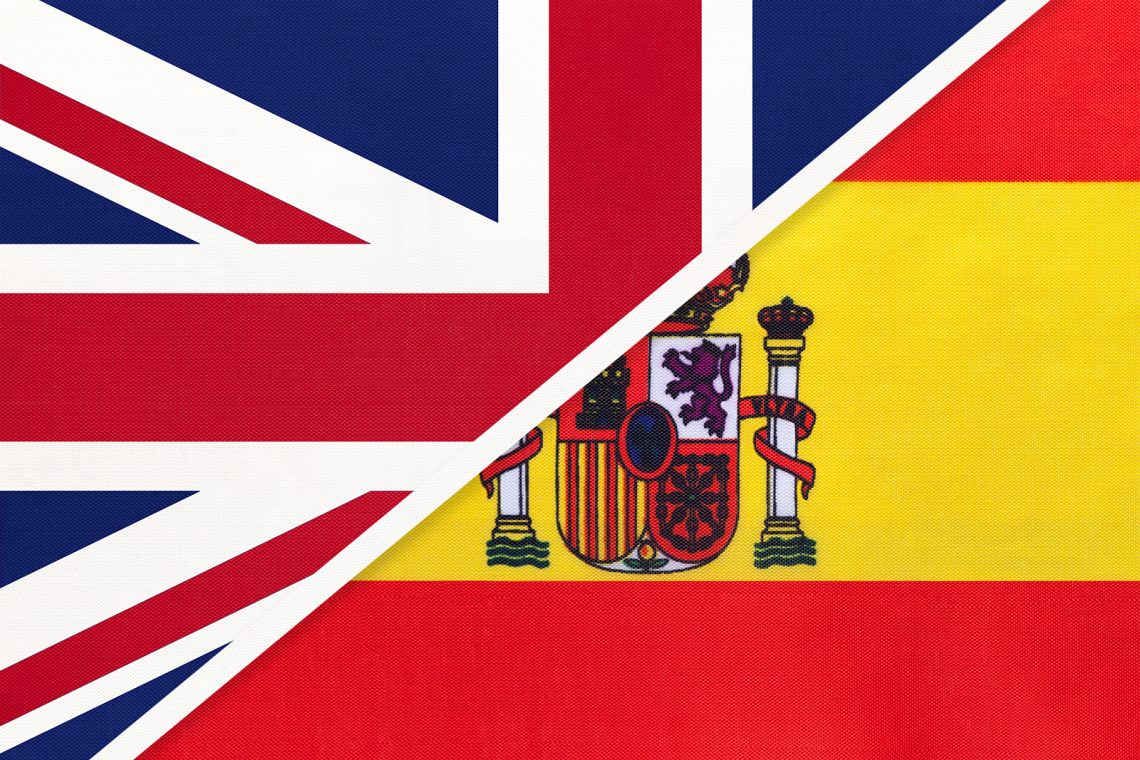
Every country develops its own legal system based on history, culture, and political traditions. These legal systems shape how laws are created, interpreted, and enforced within society. Two European countries that illustrate important legal differences are the United Kingdom and Spain. While both nations operate under democratic frameworks and share many international legal standards, their legal structures and procedures differ in several significant ways.
The United Kingdom primarily follows a common law system, where legal decisions are strongly influenced by judicial precedents established through previous court cases. Spain, on the other hand, operates under a civil law system, where written legal codes form the primary basis for judicial decisions.
Understanding the differences between these two legal frameworks is valuable for students, legal professionals, businesses, and individuals who interact with both countries. By examining their legal traditions, court systems, and legislative processes, it becomes easier to appreciate how each nation approaches justice and governance.
The Legal Foundations of the UK and Spain
One of the most fundamental differences between the United Kingdom and Spain lies in the foundations of their legal systems. The UK’s legal structure is largely based on common law, which relies heavily on judicial precedent and case law.
In the common law system, court decisions made in previous cases guide judges when deciding similar cases in the future. This creates a body of legal principles that evolves gradually through court rulings.
Spain, however, follows a civil law system derived from Roman legal traditions and influenced by the Napoleonic Code. Civil law systems rely primarily on written statutes and legal codes enacted by legislative bodies.
When studying legal system differences between UK and Spain, it becomes clear that judges in Spain focus mainly on interpreting written laws rather than relying extensively on precedent from earlier court cases.
These contrasting legal foundations shape how legal disputes are resolved and how laws are interpreted within each country.
Differences in Court Structure and Judicial Roles
The organization of courts and the role of judges also differ significantly between the United Kingdom and Spain. In the UK, the court system is structured around a hierarchy of courts that include Magistrates’ Courts, Crown Courts, High Courts, and the Supreme Court.
Judges in the UK play an important role in interpreting laws and establishing legal precedents. Their rulings often contribute to the development of legal principles that influence future cases.
Spain’s court system is also structured hierarchically but operates within the framework of codified law. Courts primarily apply written statutes rather than shaping the law through precedent.
Another difference is the investigative role of judges in Spain. In some Spanish legal proceedings, judges take a more active role in investigating cases, particularly in criminal matters.
These distinctions reflect broader differences in how justice is administered in the two legal traditions.
Legislative Processes and Lawmaking
The process of creating laws also differs between the United Kingdom and Spain. In the UK, Parliament is the primary legislative authority, consisting of the House of Commons and the House of Lords.
Legislation proposed by the government or members of Parliament must pass through several readings and debates before becoming law. Once approved, the bill receives Royal Assent and becomes an official statute.
Spain’s legislative system operates under a parliamentary monarchy as well, but laws are created primarily through the Spanish Parliament, known as the Cortes Generales. This body consists of two chambers: the Congress of Deputies and the Senate.
Although both countries rely on democratic legislative processes, their legal traditions influence how new laws interact with existing legal frameworks.
These procedures demonstrate how political institutions shape national legal systems.
Criminal Law Procedures and Trials
Criminal law procedures reveal additional differences between the UK and Spain. In the United Kingdom, criminal trials often involve a jury system in which ordinary citizens participate in determining the outcome of certain cases.
Jurors listen to evidence presented in court and decide whether a defendant is guilty or not guilty. Judges oversee the trial process and ensure that legal procedures are followed correctly.
In Spain, jury trials exist but are used less frequently. Many criminal cases are decided by panels of professional judges rather than juries. Judges review evidence and determine the verdict based on the applicable legal codes.
These variations illustrate how different legal traditions approach criminal justice and courtroom decision-making.
Understanding these procedural differences is important for individuals involved in international legal matters.
Legal Culture and International Cooperation
Legal culture also shapes how laws are practiced and understood within each country. The United Kingdom’s common law tradition emphasizes judicial reasoning and case-based interpretations of legal principles.
Spain’s civil law tradition focuses on comprehensive legal codes that define rules and procedures in written form. This approach creates a structured framework that judges follow closely when resolving disputes.
Despite these differences, both countries cooperate extensively within international legal frameworks and agreements. European legal institutions and international treaties encourage collaboration on issues such as human rights, trade law, and cross-border justice.
These interactions contribute to broader comparative international law and legal systems studies, where scholars analyze how different legal traditions operate and influence one another.
Studying these differences promotes better understanding between legal professionals working across borders.
Conclusion
The legal systems of the United Kingdom and Spain illustrate how different historical and cultural traditions influence the development of national laws. The UK’s common law system relies heavily on judicial precedent and evolving case law, while Spain’s civil law framework emphasizes written legal codes and statutory interpretation. These distinctions affect how courts operate, how judges interpret laws, and how criminal and civil cases are handled within each country. Differences in legislative procedures and courtroom practices further demonstrate the unique approaches each nation takes toward justice and governance. Despite these contrasts, both countries maintain democratic institutions and cooperate within international legal frameworks. Understanding these legal differences provides valuable insight for students, professionals, and individuals interacting with both legal systems, highlighting the diversity of legal traditions within modern societies.