What is FUE Hair Transplant?
Hair loss is a common concern that affects both men and women, often impacting confidence and self-image. As medical technology has advanced, hair restoration treatments have become more precise and effective. One of the most widely used procedures today is the FUE hair transplant, also known as Follicular Unit Extraction. This modern technique has gained popularity because it offers natural-looking results with minimal scarring and relatively quick recovery.
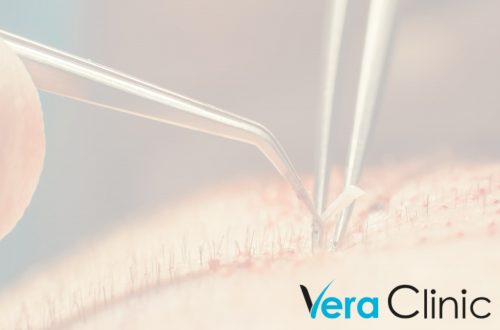
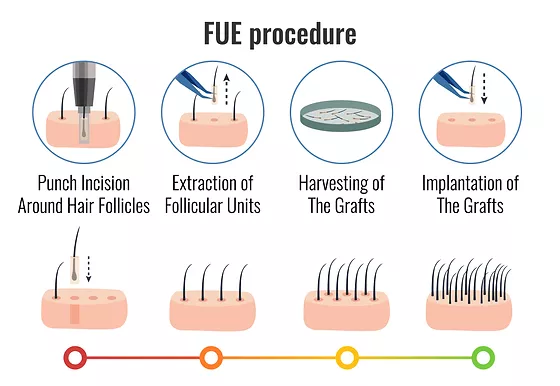
FUE hair transplantation involves carefully extracting individual hair follicles from a donor area—usually the back or sides of the scalp—and implanting them into areas where hair is thinning or absent. Unlike older methods, the FUE technique does not require removing a strip of scalp, making it a less invasive option.
Understanding how FUE works and who may benefit from the procedure helps individuals make informed decisions about hair restoration treatments and long-term hair care.
What FUE Hair Transplant Means
Follicular Unit Extraction, commonly known as FUE, is a modern hair restoration technique used to treat hair thinning or baldness. In this procedure, individual hair follicles are removed from a donor area and transplanted into areas of the scalp where hair growth has decreased.
Unlike traditional hair transplant procedures, FUE does not involve removing a strip of scalp tissue. Instead, specialists use precise tools to extract follicles one by one. This technique minimizes visible scarring and allows for a more comfortable recovery process.
Many individuals researching FUE hair transplant treatment for hair loss choose this procedure because of its minimally invasive approach. The transplanted follicles continue to grow naturally in their new location, blending with existing hair.
The goal of FUE is to restore hair density while maintaining a natural appearance that follows the patient’s natural hair growth pattern.
This advanced technique has become one of the most common methods used in modern hair restoration clinics.
How the FUE Procedure Works
The FUE hair transplant process begins with a consultation between the patient and a hair restoration specialist. During this stage, the doctor evaluates the patient’s hair loss pattern, scalp condition, and donor hair availability.
Once the treatment plan is developed, the donor area of the scalp is prepared for follicle extraction. A specialized instrument is used to remove individual follicular units, each containing one to several hairs.
These follicles are then carefully implanted into the areas where hair is thinning or absent. The placement process requires precision so that the new hair grows in a natural direction and density.
Because follicles are transplanted individually, the procedure can take several hours depending on the number of grafts required.
After transplantation, the follicles enter a growth cycle and begin producing new hair over time.
Benefits of the FUE Hair Transplant Technique
One of the primary benefits of the FUE method is that it avoids the large surgical incision used in traditional hair transplant techniques. This results in smaller extraction sites and less visible scarring.
Another advantage is the quicker recovery period. Patients can usually return to normal activities sooner compared to older transplant procedures.
FUE also provides natural-looking results because surgeons can carefully place each follicle to match the direction and pattern of existing hair.
The flexibility of the procedure allows specialists to treat different areas of the scalp, including the hairline, crown, and temples.
In addition, the donor area typically heals quickly, leaving only tiny marks that are difficult to detect once hair regrows.
These benefits have contributed to the growing popularity of FUE among individuals seeking effective hair restoration options.
Who Is a Suitable Candidate for FUE
Not everyone experiencing hair loss is automatically a candidate for an FUE hair transplant. Suitable candidates typically have stable hair loss patterns and a sufficient number of healthy donor follicles.
Individuals with strong donor hair at the back or sides of the scalp often achieve the best results from the procedure. Hair characteristics such as thickness and density can also influence the outcome.
During consultation, specialists evaluate the patient’s medical history, scalp health, and expectations to determine whether FUE is the appropriate treatment.
In some cases, alternative treatments such as medications or non-surgical therapies may be recommended before considering transplantation.
A personalized assessment ensures that each patient receives the most suitable hair restoration plan.
Recovery and Hair Growth After the Procedure
Recovery after an FUE hair transplant is generally straightforward, although patients must follow specific aftercare instructions to protect the transplanted follicles.
In the days following the procedure, mild redness or swelling may occur in the treated areas. These symptoms typically improve as the scalp heals.
Patients are usually advised to avoid strenuous physical activity and direct sunlight for a short period after the procedure. Gentle washing and proper scalp care are also recommended.
New hair growth usually begins several months after the transplant. Initially, some transplanted hairs may shed before new growth begins, which is a normal part of the process.
These procedures are part of broader professional hair restoration and scalp treatment solutions that focus on long-term hair health and natural-looking results.
Full results often become visible within several months as the transplanted hair continues to grow and thicken.
Conclusion
The FUE hair transplant procedure has become one of the most advanced and widely used solutions for treating hair loss. By extracting and transplanting individual hair follicles, this technique provides natural-looking results while minimizing visible scarring and recovery time. The procedure allows specialists to restore hair density in areas affected by thinning or baldness while maintaining a natural hairline and growth pattern. Although the treatment requires careful planning and professional expertise, many individuals achieve significant improvements in their hair appearance and confidence. Proper consultation, skilled medical practice, and attentive aftercare all contribute to successful outcomes. For people seeking long-term hair restoration, FUE offers a reliable option that combines modern technology with precise surgical techniques to restore natural hair growth.